


With 20 grams of protein in each tasty bar, they seem like an obvious choice, but are Pure Protein bars healthy? This dietitian review breaks down everything you need to know about the nutrition, ingredients, and effects of this popular protein bar.

When you’re rushing out the door, need something quick after a workout, or just want a filling snack, Pure Protein bars might look like the perfect solution. They’re packed with protein, low in added sugars, come in flavors like chocolate deluxe and birthday cake, and are marketed as a healthier alternative to candy bars. But are Pure Protein bars actually a good choice or just a protein-packed candy bar in disguise?
As a registered dietitian, I’m all about balance and generally avoid calling food “good” or “bad” by nature. Protein bars can definitely have their place, but I also know how confusing it is to sort through labels that promise energy, satiety, and muscle support. With names like “Pure Protein,” it’s easy to assume they’re automatically a smart option.
Just like I’ve done with other protein bars, including Quest Bars and Perfect Bars, we’ll take a closer look at Pure Protein bars—digging into their nutrition, ingredients, potential benefits, and drawbacks so you can decide if they’re a healthy fit for your lifestyle.
This Post may contain affiliate links. To learn more, visit my privacy/disclosure page.
What are Pure Protein bars?
Pure Protein bars are a line of protein-based snack bars made to provide quick, portable fuel. Each bar has about 18 to 20 grams of protein, moderate calories (180 to 200), and just a few grams of added sugar. They’re marketed as a convenient option for workouts, busy days, or when you want something more filling than a regular snack.
Pure Protein bars come in a wide variety of flavors, including:
- Zig Zag Cake
- Cocoa Pebbles
- Fruity Pebbles
- Strawberry Shortcake
- Blackout Cake
- Strawberry Greek Yogurt
- Chocolate Peanut Caramel
- Chocolate Deluxe
- Chocolate Peanut Butter
- Birthday Cake
- Lemon Cake
- Cookies and Cream
- Chewy Chocolate Chip
- Sundae Cone
- Brookie
- Galactic Brownie
- Caramel Churro
- Chocolate Salted Caramel
- Peanut Butter Chocolate
- Chocolate Mint Cookie
With dessert-inspired flavors, they’re designed to taste like a treat while boosting your protein intake.
Nutrition facts
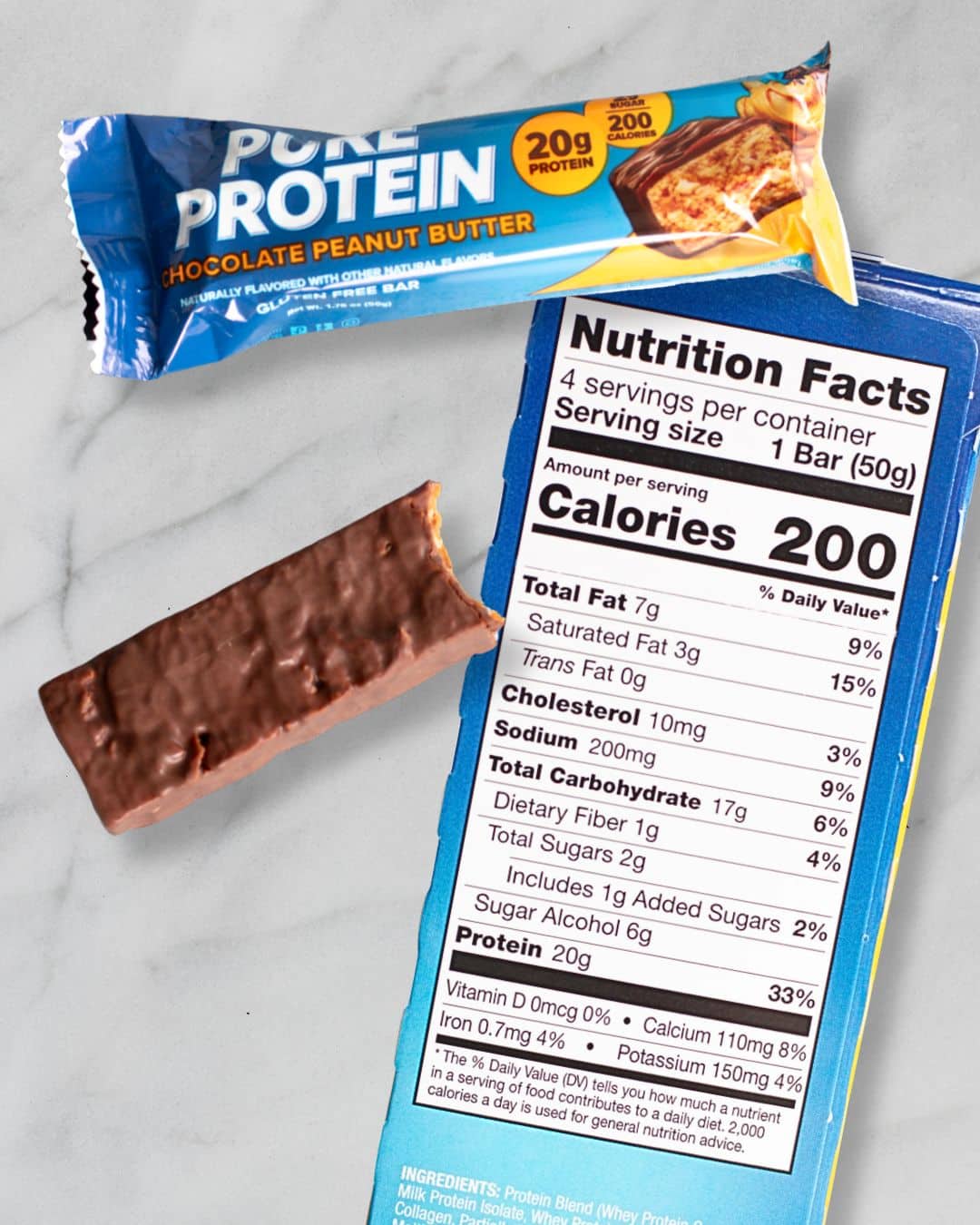
Here are the nutrition facts for one Chocolate Peanut Butter Pure Protein Bar (50g):
- Calories: 200
- Protein: 20 g
- Fat: 7 g
- Carbohydrates: 17 g
- Fiber: 1 g
- Added Sugar: 1 g
- Sugar Alcohol: 6 g
The nutrition facts will vary depending on the flavor, but in general, Pure Protein bars have 18 to 20 grams of protein, 180 to 200 calories, and between 1 and 4 grams of added sugars.
Ingredients
Let’s take a look at what’s inside a Pure protein bar. While flavors vary slightly, here’s what you’ll typically find in the ingredient list:
Protein blend
The dairy-based protein blend provides the majority of the 18 to 20 grams of protein and includes a combination of whey protein concentrate, milk protein isolate, and whey protein isolate.
Whey protein, whether in concentrated or isolate form, contains a high ratio of quick-digesting protein to carbs and fat, with whey concentrate containing up to 80% protein with 20% fat and carbohydrates, and whey isolate containing at least 90% protein with 10% fat and carbs. Milk protein isolate will also include the slower-digesting casein protein found in milk.
Hydrolyzed collagen
Collagen is a protein found in bones, skin, teeth, tendons, ligaments, cartilage, blood vessels, and organs. Bovine collagen is typically added to supplements and functional foods like protein bars to increase protein and support skin and joint health.
In one small study, participants taking a hydrolyzed collagen supplement for 28 to 56 days saw significant improvements in skin health and appearance, including hydration, elasticity, and smoothness, compared to their baseline vs the placebo group.
Glycerine
Glycerine is a type of sugar alcohol often added to baked goods, dairy products, and candies for moisture or sweetness or as an emulsifier or preservative. It’s derived from vegetable oils or produced synthetically and is considered to be a safe food additive by the FDA and WHO. However, large amounts could cause digestive distress.
Soy protein isolate
The addition of this plant-based protein increases the protein content while also impacting the texture of the protein bar. Soy protein isolate is made up of 85 to 90% protein with 15 to 10 percent carbohydrates and fat.
Partially defatted peanut flour
Peanut flour that’s had a portion of the fat removed can be used as a gluten-free wheat replacer in baking and food products. It adds more protein and a different flavor profile to foods.
Maltitol and Maltitol syrup
To sweeten Pure Protein bars with 4 grams of added sugars or less, sugar alcohols, including maltitol and maltitol syrup, are used. Maltitol provides sweetness without calories or carbs, but because the body doesn’t fully digest or absorb it, it can cause digestive issues like bloating, gas, and diarrhea if too much is eaten.
Various studies have found 30 grams per day to be tolerable by adults, but sugar alcohols affect everyone differently, and smaller amounts could cause symptoms in some people. You may also find erythritol, another sugar alcohol, in flavors like lemon cake
Sugar
Some of the sweetness in these protein bars comes from plain ol’ table sugar. Because diets high in added sugars are linked to an increased risk of several chronic diseases, including metabolic disease, it’s recommended to eat 50 grams or less of added sugar per day.
Fractionated palm kernel oil
Palm kernel oil is often used in candies and baked goods. It’s high in lauric acid, a medium-chain triglyceride saturated fat that raises LDL-cholesterol and HDL-cholesterol. While HDL cholesterol is heart-protective, LDL-cholesterol increases the risk of heart disease, making it difficult to determine whether it has a beneficial or detrimental effect on heart health.
Peanut oil
As an added fat source, peanut oil is rich in vitamin E and monounsaturated fatty acids.
Soy lecithin
Soy lecithin is a type of fat that’s used as an emulsifier to improve the texture of packaged foods. It’s a safe food additive and is usually present in very small amounts in foods.
Sucralose
In addition to sugar alcohols and sugar, Pure Protein bars are sweetened with sucralose, an artificial sweetener. It’s 600 times sweeter than table sugar, and some recent research has brought into question potential safety concerns over long-term use.
Inflammation, disruptions in the gut microbiome, and metabolic disease risk are among the potential health concerns for sucralose use.
Calcium carbonate
An inorganic salt that adds calcium to foods, but also acts as a stabilizer and anti-caking agent. It’s generally recognized as safe in foods and may be responsible for a small portion of the 80 to 150 mg of calcium found in Pure Protein bars.
Tapioca starch
A binding agent that’s used in gluten-free foods to help ingredients stick together and maintain a solid texture after baking.
Flavors, colors, & other additives
Pure Protein enhances the flavors with a variety of natural and artificial flavors and makes the colors more vibrant by using ingredients like annatto and turmeric.
In the various flavors, you’ll also find ingredients like peanuts, cocoa, cacao butter, almond butter, milk, chocolate liquor, xanthan gum, yogurt powder, brown rice syrup, hydrolyzed gelatin, soybean oil, soy crisps, almonds, and more.
Health benefits
Pure Protein bars offer a few health perks that might make them a good protein bar option:
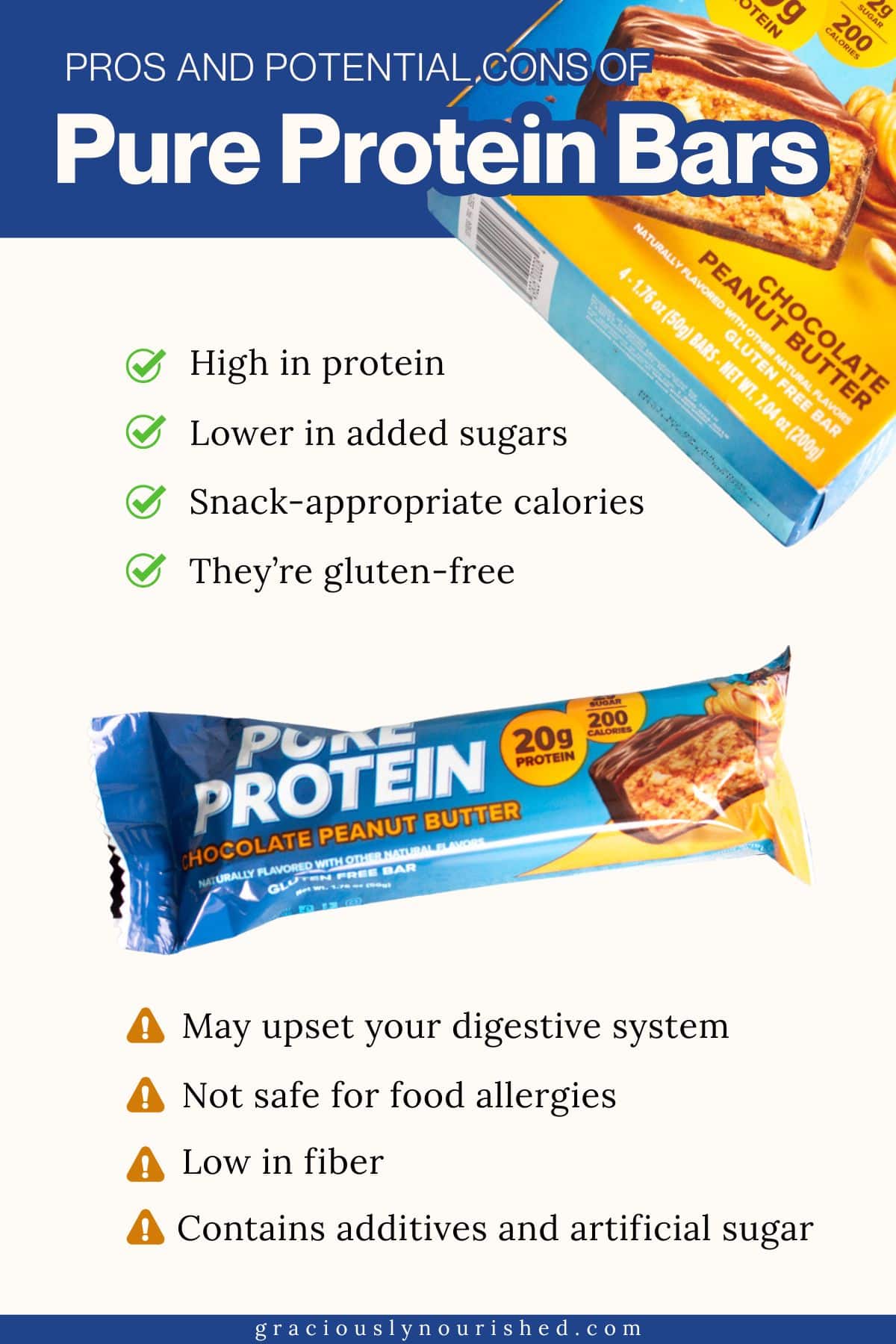
- High in protein: Each bar contains 18 to 20 grams of protein per bar, making it easy to hit your goals.
- Lower in added sugars: The most added sugar you’ll find in a Pure Protein bar is 4 grams, which is just 8% of the recommended daily limit.
- Snack-appropriate calories: Each bar has between 180 and 200 calories, making it a good option for a snack that will keep you full and stick with you until your next meal.
- They’re gluten-free: If you have celiac disease or a gluten intolerance, these bars are a safe choice, as they’re made with gluten-free ingredients.
Potential cons
While Pure Protein bars have some nutritional benefits, there are a few downsides to consider:
- May upset your digestive system: To reduce added sugars, these bars rely mostly on sugar alcohols, which can be troublesome for some people with sensitive digestive systems. You may experience symptoms like bloating, cramping, gas, and diarrhea.
- Not safe for food allergies: While these bars are gluten-free, they’re not safe for anyone with a dairy, peanut, soy, or tree nut allergy. They’re also made in a facility that processes egg, wheat, and sesame, so they may not be appropriate if you have any of those allergies, either.
- Includes numerous additives and artificial sugar: While all of the ingredients used in Pure Protein bars are generally recognized as safe, there are some potential health concerns with ingredients like sucralose and others if your diet includes a lot of processed foods that contain them.
- Low in fiber: While these bars are high in protein, which can help keep you full and support muscle repair and maintenance, they’re low in fiber, with just 1 gram per bar. As an estimated 95% of Americans are not getting enough fiber, I’d love to see more fiber offered in a protein bar to help close that gap.
Taste Test and Satisfaction
I’ve tried the chocolate peanut butter flavor and really enjoyed the taste and texture. They’re rich without being too sweet and dense, but not overly difficult to chew.
However, my digestive system does not like maltitol, so these bars led to a small amount of bloating and discomfort for me. Therefore, no matter how good they taste, they won’t be in my personal rotation of protein bars.
Pure Protein bars alternatives
Looking for a protein bar that fits your goals better? Try one of these:
| Pure Protein | Quest Bars | Perfect Bars | GoMacro Bars | |
| Calories | 180-200 | 190 | 290-350 | 270-290 |
| Protein | 18-20 g | 21 g | 12-17 g | 10-12 g |
| Carbohydrates | 16-20 g | 22 g | 24-27 g | 35-39 g |
| Added sugars | 1-4 g | 0 g | 11-12 g | 9-13 g |
| Fiber | 0-4 g | 12 g | 2-5 g | 2-3 g |
The Bottom Line
Pure Protein bars can be a convenient, high-protein snack, especially if you’re on the go, looking for post-workout fuel, or trying to hit your daily protein goals. They’re low in added sugar, gluten-free, and portioned at a snack-friendly calorie range.
That said, they do have downsides, such as relying heavily on sugar alcohols, offering little fiber, and containing artificial sweeteners and additives that may not agree with everyone. If you tolerate sugar alcohols well and are mainly focused on protein content, they can be a solid choice. If you prefer fewer additives, more fiber, or a more whole-food-based option, you may want to look at alternatives like Perfect Bars or GoMacro Bars.


Comments
No Comments