


With 10 grams of whole grains and 10 vitamins and minerals, they offer a potential way to boost your nutrition at breakfast and snack time. But even with the whole grains and added nutrients, are NutriGrain bars healthy?

As a registered dietitian and busy mom of two, I’m always on the lookout for tasty snack options that make our lives easier and more nutritious. NutriGrain bars have been around since I was a kid, and I’ve had my fair share of them growing up, but they’re far from what I would consider a “healthy snack” for most people.
However, like many foods, you don’t need to completely write them off, as they do have several benefits and could fit into a balanced diet for some people. In this article, we’ll look at the nutrition, ingredients, potential benefits, and drawbacks of eating NutriGrain bars, so you can make an informed choice for your family.
This Post may contain affiliate links. To learn more, visit my privacy/disclosure page.
What are NutriGrain bars?
Nutrigrain bars are soft-baked, fruit-filled snack bars that have been around for decades. Once owned by Kellogg’s, they’re now part of the Kellanova family of snack brands.
Nutrigrian bars currently come in six flavors:
- Strawberry
- Apple cinnamon
- Blueberry
- Mixed berry
- Raspberry
- Cherry
A closer look at Nutri-Grain bar nutrition

Here are the nutrition facts for one Apple Cinnamon Nutri-Grain Breakfast Bar:
- Calories: 130
- Fat: 3.5 g
- Saturated fat: 0.5 g
- Carbohydrates: 25 g
- Fiber: 2 g
- Added sugars: 11 g
- Protein: 2 g
Nutrigrain bars are low in protein and fiber, and contribute a good amount of carbohydrates for energy. They’re also high in added sugars, with around 20 percent of the recommended daily limit per bar.
Breaking down Nutrigrain Bar ingredients
Nutri-Grain bars come in seven delicious flavors, making them a versatile snack option. While their nutritional value varies by flavor, each bar contains 10 grams of whole grains plus 10 vitamins and minerals, including iron, calcium, and vitamin B12.
That said, let's see what’s inside a Nutri-Grain bar and what it means for your health.
Whole Oats
Rich in soluble and insoluble fiber, whole oats support good digestion and slow sugar absorption into the bloodstream. They're an excellent source of beta-glucan, a dietary fiber that forms a gel-like substance in the digestive tract, keeping you fuller for longer.
According to clinical research, oat beta-glucan may also have beneficial effects on gut health and cholesterol levels. Most importantly, this nutrient helps lower blood sugar and improve insulin response in people with type 2 diabetes.
Whole Wheat Flour
Whole wheat flour, one of the main ingredients in Nutri-Grain bars, is a healthy choice for most people, except those with celiac disease or gluten sensitivity. Packed with protein and dietary fiber, it increases satiety and keeps your digestive system running smoothly.
One ounce of whole wheat flour delivers more than half of the recommended daily value (DV) for manganese, a mineral that supports metabolic, cardiovascular, and bone health, and selenium, another key nutrient, is required for normal thyroid function and hormone production.
Enriched Flour
Enriched flour is flour that’s been refined, but with nutrients like iron and B-complex vitamins added back after processing.
Milling removes the bran and germ, which means you're left with less protein and fiber than you'd get from whole grain flour. However, thiamin and other vitamins or minerals are added back in, so you're still getting a pretty nutritious product.
Soybean Oil
Soybean oil is a processed ingredient with controversial effects on health. On one hand, it boasts hefty amounts of polyunsaturated fats (PUFAs) like omega-3s and omega-6s, along with vitamins E and K. PUFAs may protect against atherosclerosis and heart disease, while vitamin K helps maintain bone mass. Then there's vitamin E, which promotes healthy skin due to its anti-inflammatory, anti-cancer, and photoprotective properties.
On the other hand, diets rich in soybean oil may lead to diabetes, obesity, mental disorders, and ulcerative colitis.
For instance, researchers at the University of California, Riverside, found that linoleic acid, one of its most abundant fatty acids, can disrupt the gut microbiome by reducing beneficial bacteria and encouraging harmful strains.
The result? A higher risk of infection and chronic inflammation, which may contribute to ulcerative colitis, leaky gut syndrome, and other bowel disorders.
Added Sugars
No matter the flavor, Nutri-Grain bars contain fructose, dextrose, table sugar, invert sugar, and corn syrup. These are all simple sugars, meaning they can spike your blood glucose levels and affect metabolic health over time.
Each bar has around 11-12 grams of added sugar per serving, which is around 20% of the recommended daily limit. Depending on your daily activity levels, this could contribute to too much added sugar in a day or have beneficial effects. This quick source of sugar can actually help restore muscle glycogen after moderate- to high-intensity exercise, leading to faster recovery.
Food Additives
These soft-baked bars have a long ingredient list, much of which consists of additives like glycerin, guar gum, citric acid, and natural flavors.
- For example, whey is a good source of protein, but in Nutri-Grain bars, it plays a different role. Since these bars are rather low in protein, whey is used mainly as a food additive. Its mild acidity helps retain moisture, improve texture, and enhance browning, giving the crust a softer bite.
- Soluble corn fiber is a natural sweetener and bulking agent. It also has prebiotic effects, but you’d need to eat more than a single bar to see meaningful benefits.
- Other ingredients, such as methylcellulose, guar gum, and sodium alginate, are used as stabilizers or emulsifiers. They're not particularly nutritious, but they help maintain texture.
Nutri-Grain bars are also fortified with iron, vitamin D, and a handful of B vitamins, making it easier to improve your daily nutrient intake. I just wish the sugar content were lower, but as with most things, moderation is key.
Possible Health Benefits of Nutri-Grain Bars
Nutri-Grain bars pack a lot of nutrition per serving, though there are healthier options available. Here's why you might want to give them a try:
- Rich in B vitamins: Each bar provides 10% of the daily recommended amount of niacin, thiamin, vitamin B6, and other B-complex vitamins. The human body doesn't store these nutrients, so we need to get them from food or supplements. They're essential for DNA synthesis, brain function, and energy metabolism, among other processes.
- Support bone health: Nutri-Grain bars contain vitamin D, calcium, and potassium (depending on the flavor), which may contribute to stronger, healthier bones. Vitamin D facilitates calcium absorption, helping maintain bone mineral density. Potassium reduces calcium loss in the urine, protecting against osteoporosis.
- May help prevent iron deficiency: According to the American Society of Hematology, up to 40% of teens and young women are deficient in iron, which can lead to fatigue, hair loss, anemia, and a host of other problems. These soft-baked bars deliver 10% of the DV for iron per serving, making it easier to meet your nutritional needs.
- Promote good digestion: Nutri-Grain bars are not particularly high in fiber, but each serving contains 10 grams of whole grains. Whole grains act as prebiotics, feeding the good bacteria in your gut. They also take longer to digest than refined grains, suppressing hunger and increasing satiety.
- Can be a nutritious choice for vegetarians: Vitamin B12 and iron are two nutrients that vegetarians often fall short on: over 40% may be deficient in B12, and up to 79% aren’t getting enough iron in their diets. Nutri-Grain bars provide 10% of the daily value for both, which can be a helpful boost, especially if you're relying on fortified foods to fill in the gaps.
Potential Cons of Nutri-Grain Bars
These bars can be a healthier swap for granola or breakfast cereals, but they still have several potential cons.
- Contain added sugars: One of Nutri-Grain’s selling points is that it doesn’t use high-fructose corn syrup (HFCS). That’s great, but the soft-baked bars still contain sugar, fructose, dextrose, and corn syrup, which are not much different from HFCS from a nutritional standpoint. These sugars are not identical, but they affect metabolism and overall health in similar ways.
- They're made with soybean oil: A 2015 study published in PLoS One found that, at least in mice, soybean oil led to more weight gain and a higher risk of diabetes than coconut oil or fructose.
When consumed regularly, this food product may disrupt liver function and gene expression linked to obesity and diabetes, taking a toll on metabolic health. Its presence in Nutri-Grain bars isn't necessarily a red flag, but you should be mindful of how often it appears in your diet.
- They're packed with additives: Each Nutri-Grain bar boasts over 30 additives, some of which have questionable effects on health. For instance, carrageenan exhibits inflammatory properties and can irritate the gut. On top of that, it may affect insulin sensitivity in overweight individuals, further increasing their risk of diabetes.
- Low in fiber: Depending on the ingredients used, each bar has 1-2 grams of dietary fiber per serving. Since these snacks are made with whole grains, I was expecting to see a higher amount of fiber. Their protein content is low, too.
It’s also worth mentioning that Nutri-Grain bars contain soy, whey, and gluten, making them unsafe for people with certain food allergies. Enjoy them in moderation if you’re sensitive to any of these ingredients and avoid them if you have any known allergies.

Taste test and personal thoughts on Nutri-Grain bars
I’ve eaten many Nutrigrain bars in my 34 years, with my strawberry being my childhood favorite flavor. It’s been years since I’ve eaten one, so I went ahead and purchased the apple cinnamon flavor to give them another try.
They’re as soft and delicious as I remember, although the flavor is a bit too sweet for me nowadays. The inside filling is soft, sticky, and fruity, while the baked bar has a melt-in-your-mouth soft texture.
As an active person, Nutrigrain bars would make a decent energy bar for a bike ride or hike, as they’re easy to carry and easy to eat.
While the low protein and low fiber make them a good energy replenisher while working out, it knocks this bar down a few points as a healthy snack bar for everyday. For an everyday snack bar, I would choose something with at least 3 grams of fiber and 10 grams of protein per serving to help keep me full and reach my daily goals.
Healthy NutriGrain bar alternatives
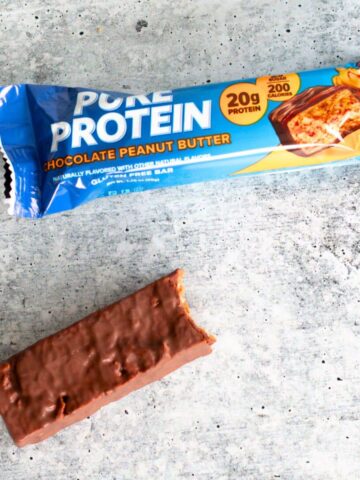
Looking for a healthier alternative to Nutri-Grain bars? Check out my recent reviews of these popular healthy snack bars to find the right fit:
Bottom line: Is Nutrigrain healthy?
Nutri-Grain bars aren’t the worst snack you could grab, but they’re not the healthiest either. They can work as a quick source of energy or an on-the-go option once in a while, especially if you’re active and need a fast carb boost.
But because they’re low in protein and fiber and higher in sugar, they’re not the best choice for everyday snacking. If you enjoy them, there’s no need to cut them out completely; just balance them with more nutrient-dense snacks that give you longer-lasting energy and keep you fuller for longer.



Comments
No Comments