


As a registered dietitian who would happily eat dessert for breakfast, I've found the next best thing: overnight oats. Once you see all the benefits of overnight oats, including steady all-morning energy and a serious fiber and protein boost, I think they'll earn a permanent spot in your breakfast rotation, too!

There's a jar of overnight oats waiting in my fridge at least once a week, if not every day. They take about five minutes to throw together, they're endlessly customizable, and they help me eat a nourishing, fiber- and protein-rich breakfast that keeps me full until lunch, all without having to prep anything in the morning.
Whether you're new to overnight oats or just looking to make yours a little more nutritious, I've got you covered. Below, I'm breaking down the real benefits of overnight oats and exactly how to make them work for you.
Jump to:
Overnight Oat Benefits At A Glance
- They're a quick, make-ahead breakfast
- They're high in fiber
- They're loaded with resistant starch
- They're a great source of protein
- They'll keep you full all morning
- They'll help you focus
7 Benefits of Overnight Oats
If you're after an easy, nutrient-dense breakfast, this is it. Here are 7 reasons to give overnight oats a chance.
They're a quick, make-ahead breakfast
All you need is 5 minutes before bed, and you can have a single breakfast or a week’s worth prepared and ready to go. If you’re making more than one serving, I suggest mixing everything into a big bowl and spooning the mixture into individual containers, such as 1-2 cup Pyrex containers or mason jars.
This way, you can easily grab a single-serving meal on busy mornings, sprinkle with any toppings you like (or not), and enjoy a quick, easy, healthy, and delicious breakfast. I have a whole collection of overnight oats recipes if you're looking for more make-ahead morning ideas.
They’re high in fiber
Eating more fiber is associated with a lower risk of several chronic diseases, including heart disease and various cancers. And based on decades of research, we know that fiber also helps to regulate appetite, supports a diverse gut microbiome, reduces inflammation, lowers blood glucose and blood cholesterol, and supports digestion.
So, basically, what can't fiber do?
But still, less than 10 percent of Americans get the recommended 14 grams of fiber per 1,000 calories eaten. If you could use a little help eating more fiber, overnight oats can help, thanks to the oats, seeds, fruit, and any fiber-rich toppings you choose to sprinkle on top.
Did you know?
Most of my overnight oat recipes have at least 8 grams of fiber per serving. That's 28% of the recommended daily value!
They're loaded with resistant starch
Even though oats are a high-carbohydrate food, they don't affect your blood sugar the same way as many other starchy foods, including cooked oats.
When you soak oats rather than cook them, you change how your body processes their starch. Cooking gelatinizes starch, making it easier to digest and leading to a faster spike in blood sugar. Soaked oats retain more of their starch in less-digestible forms, including resistant starch, which means less of it is converted into glucose, resulting in a blunted blood sugar spike.
Resistant starch passes through your small intestine intact, behaving much like insoluble fiber. Then, once it reaches your large intestine, your gut bacteria ferment it the way they would soluble fiber — so you get the benefits of both types from a single ingredient.
This shows up in the research, too. When you compare studies on overnight oats to studies on cooked oats, the soaked version tends to produce a noticeably smaller blood sugar spike, even in larger portions.
They're a great source of protein
While oatmeal has more protein than many other grain-based foods, it's still typically a low-protein meal on its own. Overnight oats completely change the game by adding milk, yogurt, cottage cheese, seeds, or nuts to boost the quantity and quality of the protein. And if that's not enough, you can always add protein powder, like in my double chocolate high-protein overnight oats!
Eating more protein at your first meal of the day can help you feel fuller and stay focused through the morning, and it supports muscle growth and repair.
In one randomized crossover trial, a high-protein breakfast of protein yogurt and oats (sounds an awful lot like overnight oats, if you ask me) left participants more satiated and less hungry than a carb-heavy breakfast, and was the only option that improved concentration a couple of hours later.
They'll keep you full all morning
A bowl of plain oatmeal won't keep you full until your next meal, but a bowl of overnight oats? Now that's a different story. The combination of fiber and protein slows down digestion, so you get a more even release of energy throughout the morning instead of an early crash.
If you tend to eat a light breakfast and then reach for a snack an hour later, try overnight oats and see how they affect your mid-morning hunger. My 5-minute blueberry overnight oats are one option that keeps me going all morning, with 22 grams of protein and 7 grams of fiber!
They'll help you focus
A nutrient-rich breakfast helps you focus, and overnight oats are well-suited for it. The same steady blood sugar and protein that keep you full also give you even energy instead of a mid-morning crash, helping you stay sharper for longer.
One study found that eating any breakfast at all resulted in improved recall, attention, and executive function. It doesn’t matter if I’m working or at home, being able to focus and think more clearly is a huge benefit!
They're endlessly customizable and versatile
The most exciting benefit of overnight oats is the sheer number of choices you have. In the summer, use fresh berries to flavor your oats; as the seasons turn, switch to apple pie or pumpkin spice. There really is a recipe for any season and any craving.

Make your overnight oats even better
While oats are obviously the main focus, what you add to them can make a big difference in the nutritional content, texture, and staying power.
Benefits of overnight oats with chia seeds
So many of my overnight oat recipes include chia seeds, and for a very good reason! Not only do they pack a high amount of protein, fiber, and omega-3 fatty acids into a very small portion of seeds, but they also help thicken your overnight oats, so they become creamy, decadent, and almost pudding-like.
As chia seeds soak in liquid, they begin to expand, thanks to the high amount of soluble fiber. This "gelling" helps slow digestion and helps you stay full even longer. Just one tablespoon of chia seeds adds about 4 grams of fiber to your oats, as well as 2 grams of protein and 134% of the adequate intake (AI) for omega-3 fatty acids as ALA.
Benefits of overnight oats with yogurt
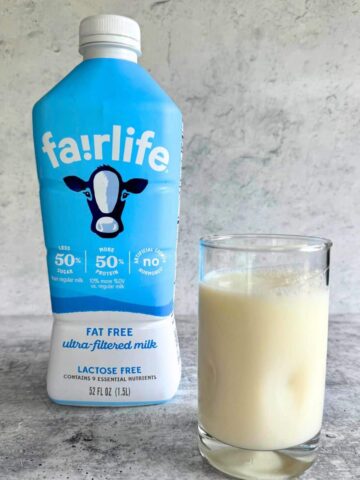
While you don't need yogurt to make overnight oats, it's a good addition that I feature in many of my recipes! Stirring yogurt into your overnight oats loosens the texture, making it closer to a parfait, and depending on the yogurt you choose, it can meaningfully boost the protein content.
Greek and skyr-style yogurts are the best options, as they're higher in protein, providing 10 to 17 grams per serving. That's protein on top of what the milk, seeds, and nuts already contribute, which helps get some overnight oat recipes up to 20 grams of protein or more, without using any protein powder or extra supplement.
Yogurt also contains live active cultures, the beneficial bacteria that support a healthy gut microbiome. Pair those probiotics with the fiber from your oats and chia — which feed those same bacteria —and your overnight oats include everything you need to support a healthy and diverse gut microbiome.
If you don't have yogurt, you can still enjoy overnight oats, but the protein will likely be lower unless you replace it with another protein source. Instead of relying on protein powder, some of my recipes, like cookie dough overnight oats and tiramisu overnight oats, use cottage cheese instead of yogurt to boost the protein and add a richer texture.
Downsides to overnight oats
While overnight oats are a healthy breakfast that most people enjoy and can fit into their nutrition routine, there are a few things to consider:
They could spike your blood sugar
At their core, overnight oats are made with oats, milk, chia seeds, and yogurt for stable energy levels and a blunted rise in blood sugar. However, eating a larger portion, adding lots of extra sweeteners, using sugar-sweetened yogurt, and loading up on fruit could result in an unexpected blood sugar spike.
To avoid this, use small amounts of added sweeteners (such as maple syrup or honey), opt for unsweetened or low-sugar yogurt, and use whole fruit instead of jellies or jams.
They can be calorie-dense
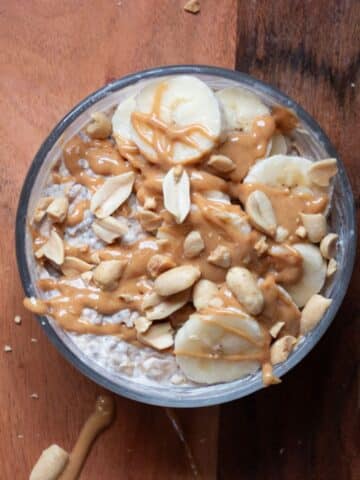
One cup of overnight oats made with oats, chia seeds, and milk has significantly fewer calories than one cup made with oats, chia seeds, milk, yogurt, peanut butter, nuts, and chocolate chips.
Depending on the recipe, one serving could have 300 calories, or it could have 600 calories. While you're enjoying your oats, stay mindful of your portion and fullness signals, which can help avoid overeating without realizing it.
The texture isn't for everyone
While I personally think the texture is the main selling point, not everyone is down with cold, soft, and slightly gummy oats first thing in the morning. I've had some clients enjoy overnight oats more after warming them up in the microwave.
If you want to give it a try, I think my maple and brown sugar overnight oats are just as good warm as they are cold, and they're a great place to start if you're still warming up to the texture.
The Science Says..
Oats owe a lot of their reputation to one specific soluble fiber: beta-glucan. This compound is why packages of oatmeal often have a "may lower cholesterol" claim. After reviewing 33 clinical studies, the FDA concluded way back in 1997 that at least 3 grams of oat beta-glucan a day, as part of a diet low in saturated fat, may reduce the risk of heart disease.
Research continues to support this claim, with even stronger evidence that beta-glucans support appetite regulation, gut health, and glucose metabolism.
FAQS
Yes! Overnight oats are a good way to get fiber, protein, and essential nutrients many people fall short on, like magnesium, calcium, and potassium. Plus, they support energy and digestion, which can help you feel your best and make better food and movement choices as the day goes on.
Soaking oats overnight increases their resistant starch content compared with cooked oatmeal, which can lead to additional benefits, such as slower digestion and a lower spike in blood sugar. Plus, the resistant starch helps feed gut bacteria, producing beneficial byproducts and supporting a diverse gut microbiome.
Overnight oats do contain carbohydrates, so they will increase your blood sugar. But because soaked oats have more resistant starch and overnight oats are often high in protein and fiber, you may experience a much more blunted rise in blood sugar than a breakfast that contains a similar amount of carbohydrates.
You can eat overnight oats every day. To increase the variety of foods you eat throughout the week and reduce flavor fatigue, try switching up the flavors and additions, using different fruits, nuts, seeds, and other toppings.
Overnight oats can support weight loss and weight management, as they're rich in fiber and protein to help you feel fuller and more satisfied with fewer calories.
Bottom Line
The benefits of overnight oats go well beyond being a grab-and-go breakfast. With five minutes of prep, you get a meal rich in fiber and resistant starch that's gentle on your blood sugar, enough protein to keep you full and focused all morning, and a base you can customize endlessly with chia, yogurt, fruit, and more. As a dietitian, I recommend this as one of the easiest upgrades for a healthier morning, and it's genuinely as delicious as it is good for you.
Ready to make your first jar? Start with my basic overnight oats recipe, then branch out into some of the fun flavor combinations below.
Most Popular Overnight Oats
Give any of these a try!







Comments
No Comments